Unveiling the Traditional Karate Suit: A Comprehensive Guide
Karate, with its rich history and global appeal, is defined by more than just powerful kicks and punches. The traditional karate suit, or gi, plays a pivotal role in this martial art's culture and performance. This article delves into the intricate world of karate attire, exploring its historical roots, various styles, and practical considerations for practitioners worldwide. From the symbolic design to the meticulous care required, we dissect every aspect of what makes a karate suit more than just clothing—it's a symbol of dedication and discipline.
- The Historical Context of Karate Attire
- - A brief history of karate and its traditional attire.
- - Evolution of clothing in martial arts, focusing on karate's origins.
- Key Components of a Karate Suit (Gi)
- - Description of the different parts: dobok, belt, and accessories.
The Historical Context of Karate Attire
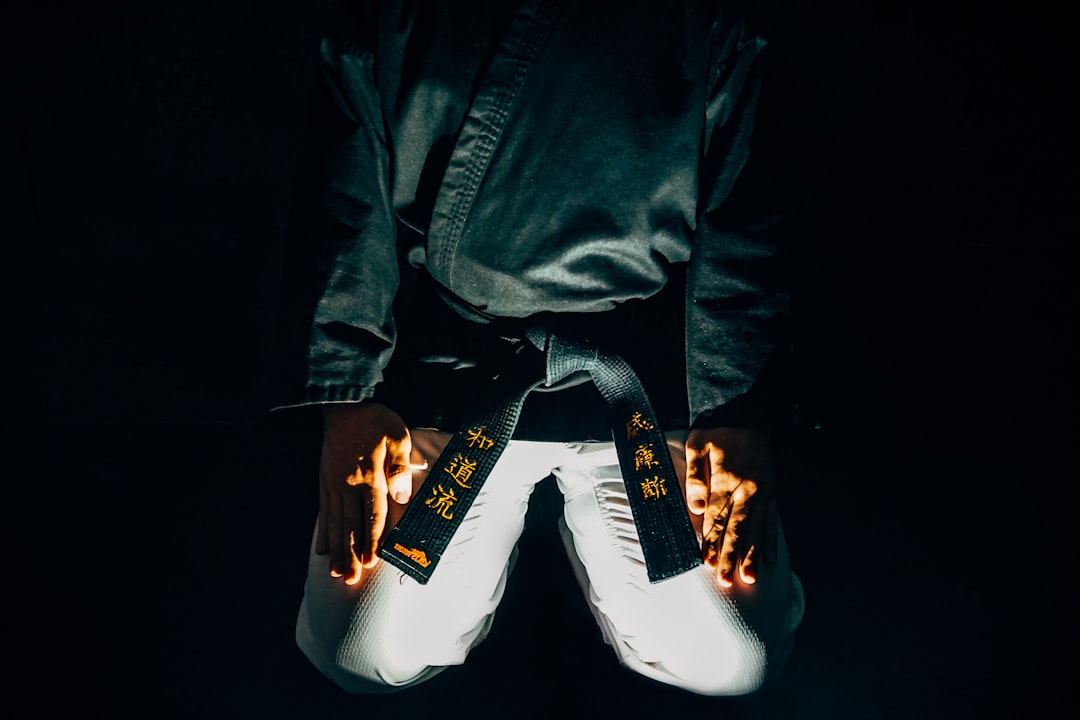
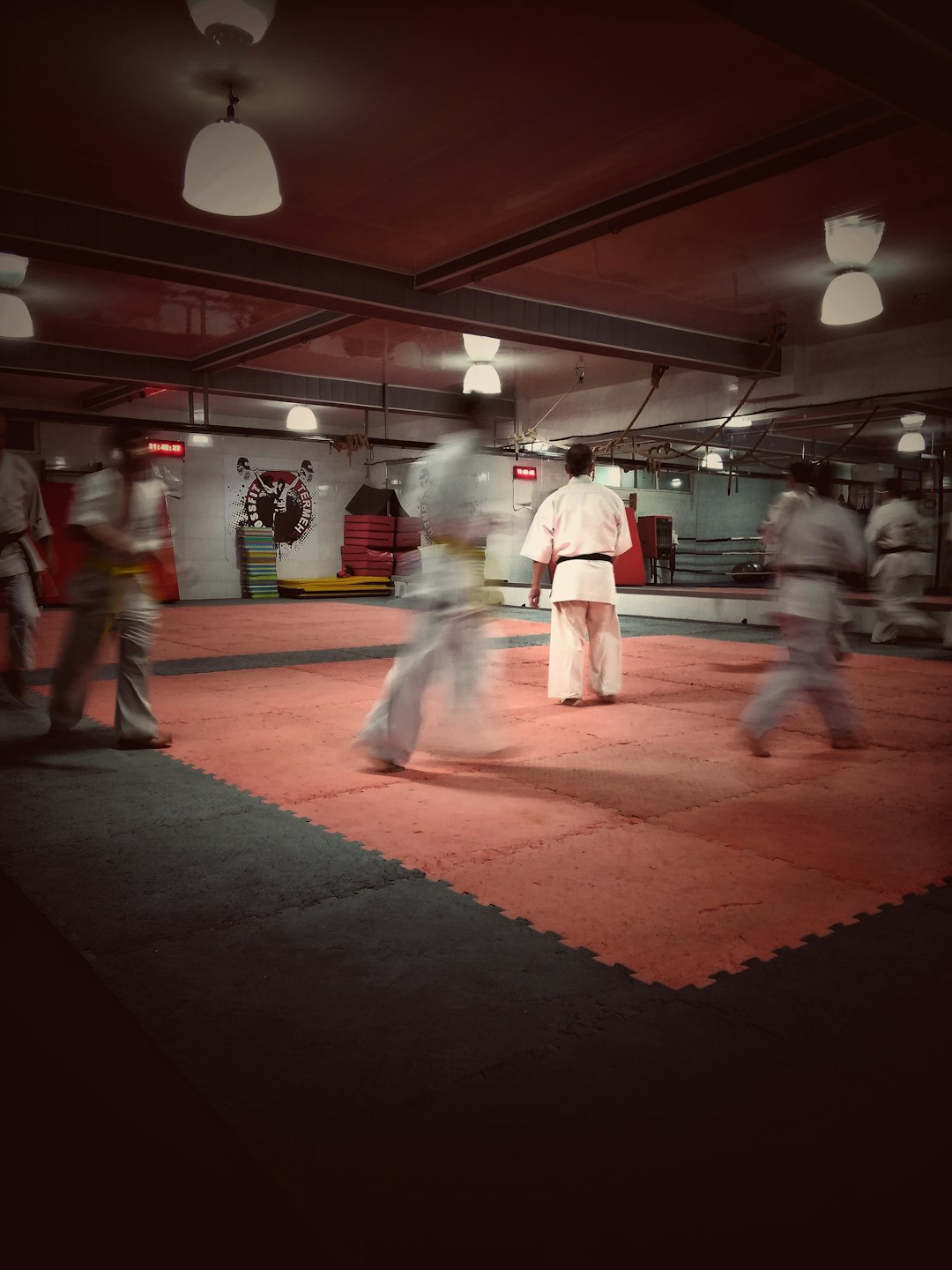
The historical context of karate attire is deeply intertwined with the evolution of the martial art itself, which has its roots in ancient Okinawa, Japan. Originally, practitioners wore whatever functional clothing was available to them during training and competition. This often consisted of simple cotton pants and a loose-fitting shirt or tunic, allowing for ease of movement and flexibility. The traditional karate suit name is something of a misnomer, as the attire was not designed specifically for karate but rather adapted from everyday wear.
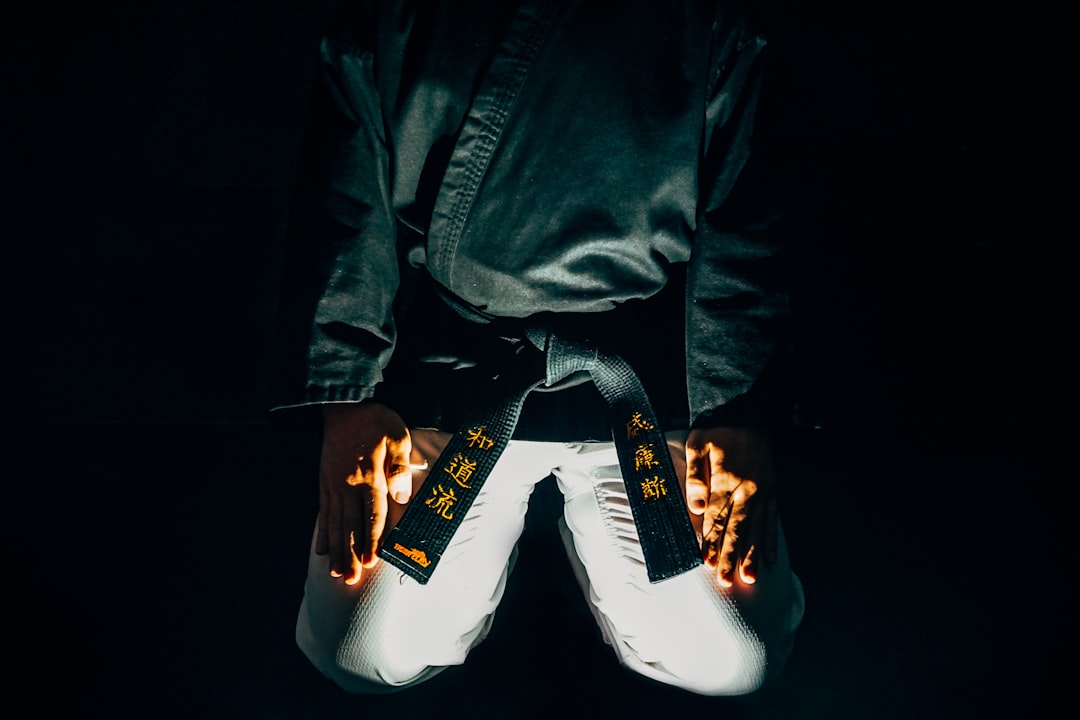
As karate gained recognition and popularity in mainland Japan during the early 20th century, standardizing the uniform became necessary. The modern karate suit, known as the gi, emerged as a result of these efforts to formalize training regimens. The gi is crafted from lightweight cotton and features a heavy-duty fabric belt (obi) for securing it in place during practice or competition. This evolution in attire reflected not only the growing discipline of karate but also the cultural shifts occurring in Japan at the time, as traditional attire gave way to more standardized forms suitable for organized sport.
- A brief history of karate and its traditional attire.
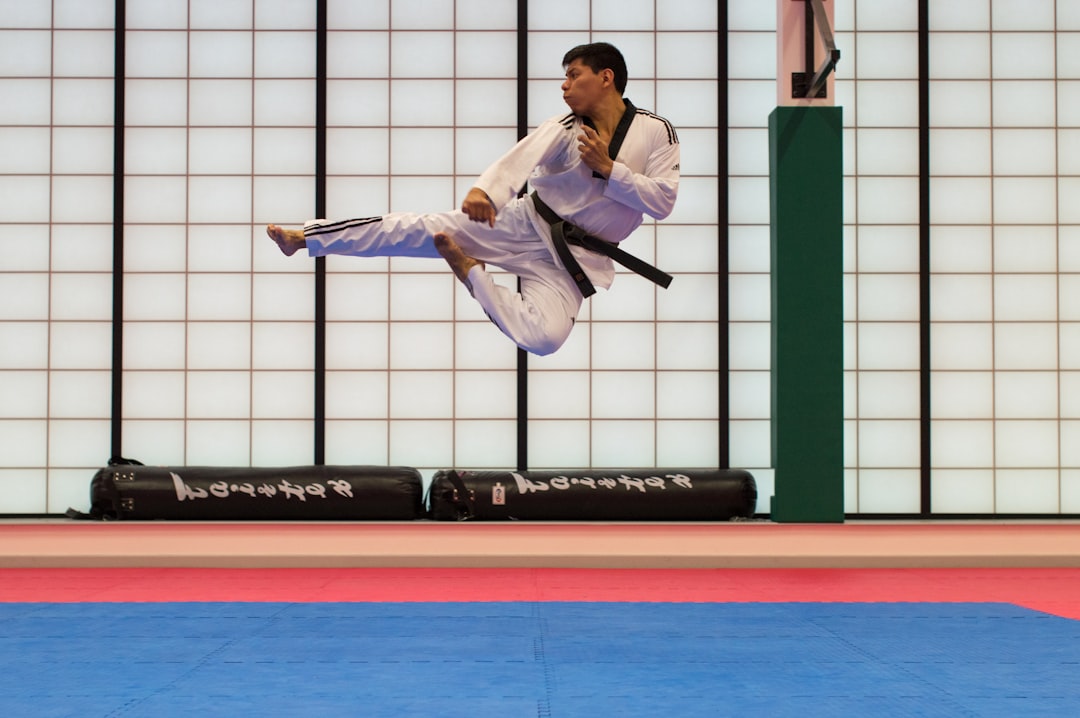
- Evolution of clothing in martial arts, focusing on karate's origins.
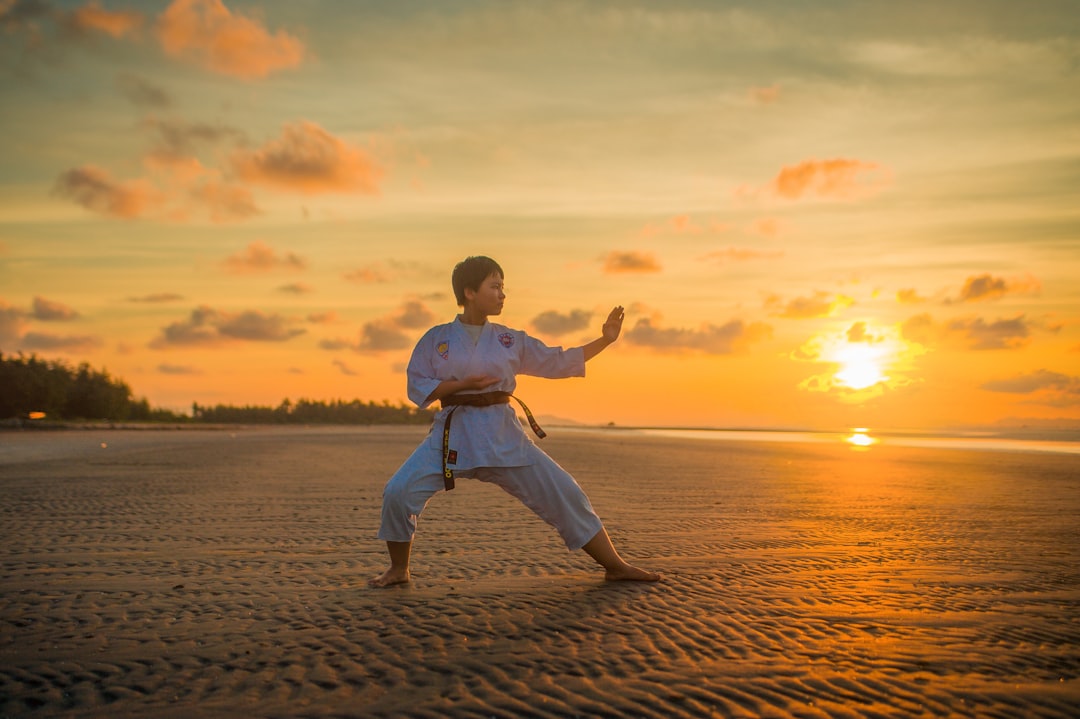
Key Components of a Karate Suit (Gi)
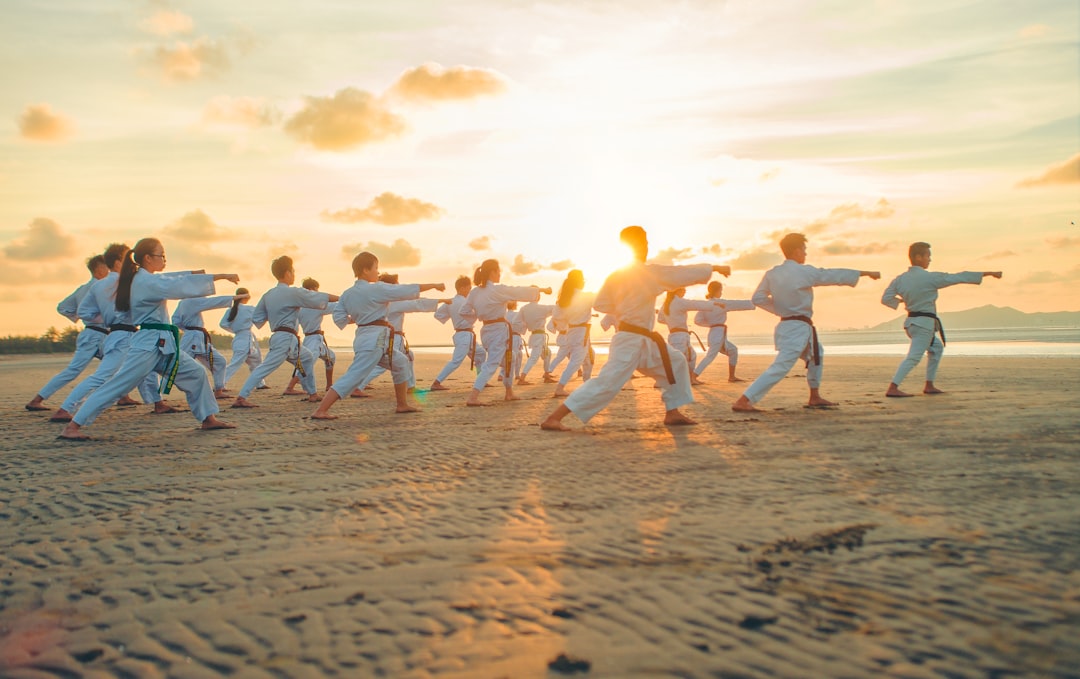
- Description of the different parts: dobok, belt, and accessories.