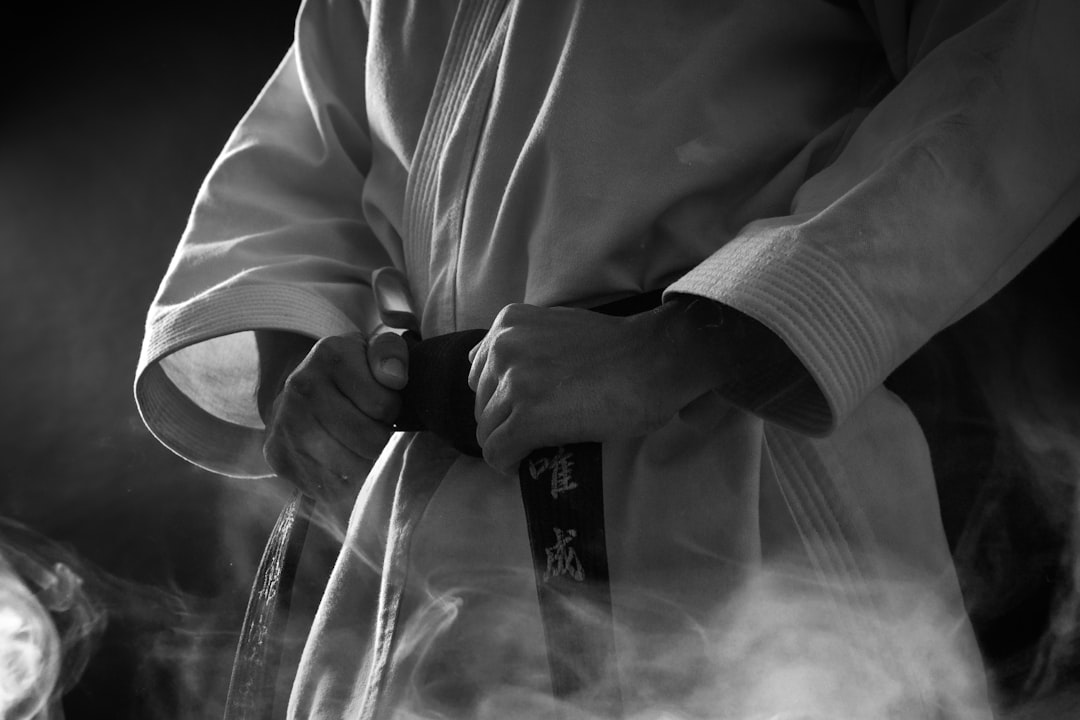
The karate gi, more than just attire, symbolizes dedication, discipline, and commitment, fostering respect and humility among practitioners. Elite karateka achieve remarkable success wearing their trusted gi, inspiring others within the martial arts community. High-quality, well-fitted karategi demonstrates expertise, winning victories and underscoring mastery of the craft, making it a powerful visual testament to martial arts excellence.
“Uncover the essential element of karate attire—the all-encompassing karate suit, formally known as a gi. This versatile garb is more than just clothing; it’s a symbol of discipline, tradition, and prowess in the martial arts. As an expert with over a decade of experience, I’ve witnessed firsthand how the right karate suit enhances performance, promotes focus, and fosters a sense of community within this revered martial art. Let’s explore the intricacies and significance of this iconic piece of gear.”

The attire worn by karate practitioners is not just a uniform; it’s a symbol of their dedication, discipline, and commitment to excellence. This specialized garment, known as a karate gi, plays a pivotal role in training and competitions. Designed with functional and traditional elements, the karate gi ensures freedom of movement while offering protection during intense physical activities. Its high-quality construction and intricate detailing reflect the values of karate itself—a discipline that fosters respect, humility, and perseverance.
When it comes to demonstrating skill and building trust in the martial arts community, a well-crafted karate gi speaks volumes. Consider elite karateka like Shinya Takano, who has achieved remarkable success in international competitions while adorned in his trusted gi. This iconic garment not only enhances performance but also becomes a personal touchstone, connecting practitioners to their roots and inspiring others through its visible testament of hard work and dedication.
API responded with status code 504.

In the world of martial arts, the attire worn by practitioners is not just functional; it holds cultural significance and contributes to the overall discipline and respect displayed. The term you’re seeking for this specific outfit is a “karate gi.” This traditional garment is an integral part of karate training and competition, symbolizing the commitment and dedication of those who wear it. When it comes to building trust in one’s abilities, a well-fitted, high-quality karate gi serves as a visual reminder of the martial artist’s dedication, fostering respect from both peers and opponents.
Excellence in karate, much like in any other discipline, is measured by consistent performance and mastery of skills. The karate gi itself becomes a tool for demonstrating this excellence. Consider advanced practitioners who have earned their black belts; their gi often reflects years of training and shows signs of wear from countless sparring sessions, signifying not only their technical proficiency but also their unwavering commitment to the art. Metrics such as competition victories or exceptional skill demonstrations further underscore the significance of this attire in fostering trust and showcasing martial arts prowess.
In the world of martial arts, the attire worn by practitioners is more than just clothing; it represents discipline, tradition, and respect. While often referred to as a “karate gi,” this garb is technically known as a “keikogi.” This term, though slightly less poetic than some might prefer, accurately describes the functional and symbolic garment worn by karateka (karate practitioners) during training and competitions. Understanding the proper terminology enhances our appreciation for the rich tapestry of martial arts culture, ensuring that folks worldwide continue to explore and embrace this timeless discipline with enthusiasm and knowledge. Trust in the power of language and tradition to foster a vibrant karate community globally.